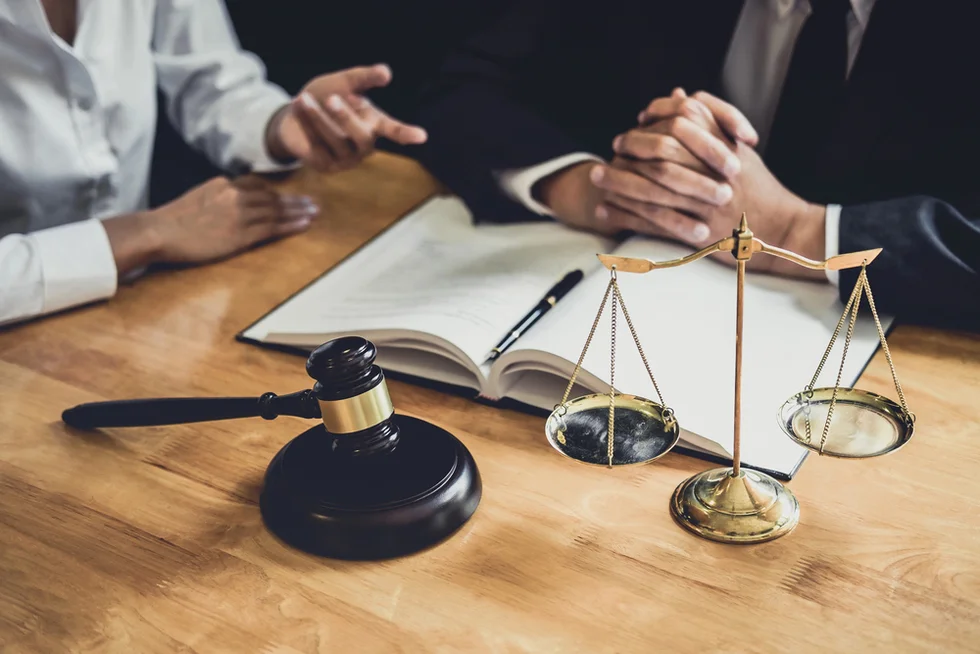


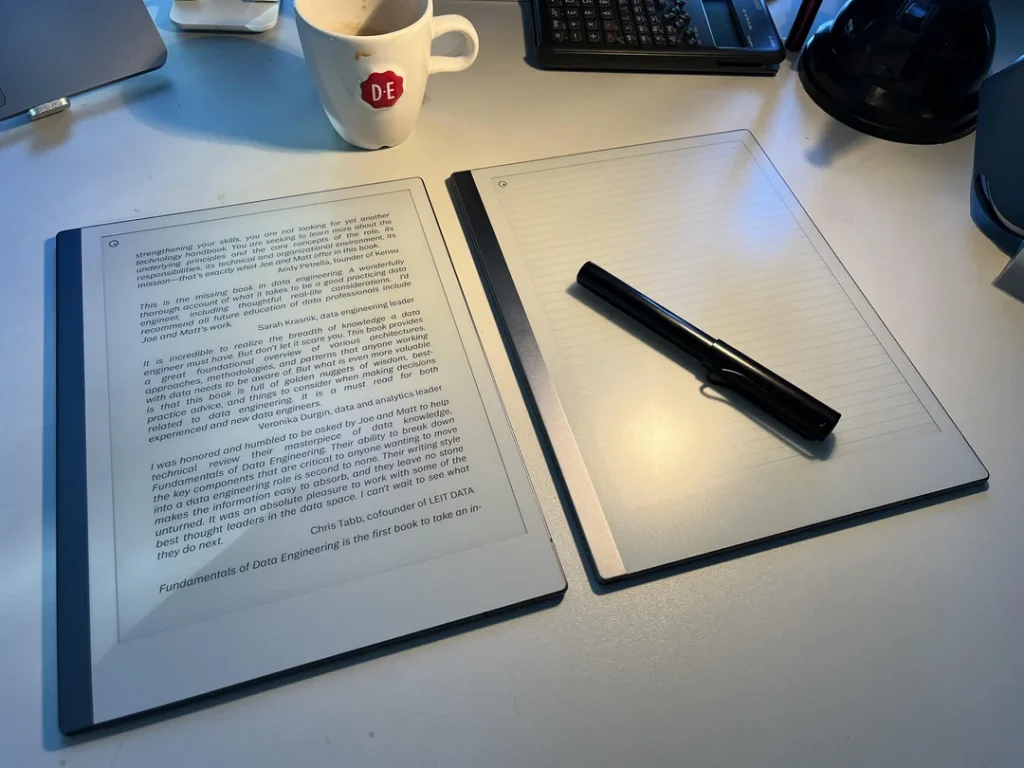
A legal file rarely collapses in one dramatic moment. It usually slips because someone trusted memory, skipped a detail, or buried an instruction in a rushed notebook. That is why Advocate Notes still matter more than most lawyers admit. They are the quiet record that keeps a case honest when pressure, ego, and deadlines start distorting the story.
You do not need flashy software to write better notes. You need discipline, a sharp eye, and enough humility to know that memory goes soft very quickly. A client call that feels unforgettable on Tuesday can turn fuzzy by Friday, especially when three other files explode in between.
Good notes catch more than facts. They capture timing, hesitation, risk, promises, and the awkward little turns in a conversation that later explain everything. In modern legal practice, that kind of record is not clerical fluff. It is part of your judgment.
If you want cleaner advice, steadier case preparation, and fewer ugly surprises, start with the notes. The file nearly always tells the truth before anyone else does.
Why Notes Still Decide the Quality of Legal Work
Legal work looks polished from the outside, but inside the file it is often a fight against fading detail. You can be brilliant in court and still weaken a matter if you record instructions badly. The smartest argument in the world cannot rescue a file that forgot what the client actually approved.
That damage usually starts small. A date gets missed. A witness concern goes uncaptured. A client sounds uncertain, but the note makes them seem firm. Then the matter moves forward on a version of events that never really existed. That is how cases drift.
I once saw a simple dispute become expensive because one phone note failed to mark a clear limit on settlement authority. Weeks later, everyone swore they remembered the conversation perfectly. They did not. The notes were vague, so memory filled the gaps with confidence and attitude.
Strong notes keep you honest. They also keep everyone else honest. When pressure rises, a dated, clear record becomes more reliable than charm, instinct, or righteous certainty. That is why notes still decide the quality of legal work. They hold the line when recollection starts trying to rewrite the past.
What Strong File Notes Actually Look Like
A good file note is not a transcript and not a diary. It does not need every word said in a meeting, and it should not read like a dramatic retelling of your day. It needs the details that help you think, act, and defend your choices later.
Start with the essentials: date, time, people present, issue discussed, decision made, and next action. That framework feels plain because it is plain. Plain is good. Legal files do not need personality in the structure. They need clarity you can trust at speed.
Then add the part weaker note-takers skip: uncertainty. Mark where a witness hesitated, where a client softened a position, or where a fact felt oddly rehearsed. Those moments matter because cases often turn on what sounded unstable before anyone admitted it was unstable.
Keep fact, impression, and action separate. That one habit changes everything. When you mix them together, the file becomes slippery. When you split them cleanly, the note starts doing real work. The best legal file notes help another lawyer understand the matter tomorrow without needing your memory to translate it.
How Notes Turn Into Better Strategy
Writing notes is only half the job. Reading them properly is where the value starts paying rent. Too many lawyers collect pages of calls, meetings, and document reviews, then leave them sitting there like dead paper. That is not a system. That is storage.
Useful strategy begins when you revisit your notes and look for pressure points. What fact keeps changing? Which instruction sounds shaky? Where is the deadline risk? Which issue keeps surfacing even when nobody names it directly? The file usually gives you the answer if you stop skimming it.
One practical method works well. After each busy day, pull out four things from your notes: disputed facts, missing documents, decision points, and immediate risks. Those four buckets reveal the shape of the matter quickly. They also stop you from getting hypnotized by noise.
Sometimes the most important insight is not the headline issue at all. The weak spot may be a timeline gap, an evasive witness, or a client who keeps shifting instructions by an inch at a time. Small shifts matter. Strategy improves when your notes expose them early instead of politely hiding them.
Advocate Notes and the Difference Between Activity and Progress
Busy lawyers often confuse motion with progress. The inbox is moving, calls are happening, drafts are circulating, and everyone feels occupied. Yet some matters still go nowhere because the file records activity without meaning. That is where good note-taking quietly separates serious practice from frantic theatre.
When Advocate Notes are sharp, they tell you what changed, why it changed, and what that change demands from you next. A weak note says, “Client concerned about disclosure.” A strong one says, “Client resisted disclosure after learning earlier emails may contradict current position.” One is mood. The other is strategy.
That difference affects everything. It shapes settlement advice, witness preparation, and how you frame risk to the client. It also helps you stop doing useless work. A file with clear notes makes it easier to spot repeated dead ends and redirect effort before more time gets burned.
Progress in legal practice is rarely glamorous. It often looks like one well-written note that saves you from a bad assumption three weeks later. Quiet work wins cases more often than dramatic work. The people who know that tend to stay calmer, clearer, and a lot harder to wrong-foot.
The Note Habits That Save Teams From Chaos
A personal note habit is useful. A shared note standard is far better. Once more than one lawyer, assistant, or clerk touches the file, private shorthand turns into a liability. What makes perfect sense to you at midnight may look like nonsense to everyone else at nine the next morning.
The answer is not a giant manual nobody reads. The answer is one simple note format used across the team. Every file note should show who, what, when, risk, and next step. That gives handovers structure and keeps urgent matters from becoming archaeological digs.
This matters even more in remote and hybrid work. Half the trouble in modern practice comes from memory being scattered across email, chat, notebooks, and half-finished thoughts. A clean note system pulls the file back into one shared record. That lowers stress and improves judgment at the same time.
You do not need perfection for this to work. You need consistency with a little stubbornness. Teams that write clear legal file notes solve problems faster because they spend less time reconstructing yesterday. That is not glamorous either. It is just good practice, and good practice keeps paying.
Legal work gets applause for argument, presence, and technical skill. Fair enough. But the quiet edge often sits somewhere less dramatic. The lawyers who stay in control of difficult matters usually do one ordinary thing much better than everyone around them: they keep a record worth trusting.
That is why Advocate Notes deserve real respect in modern legal practice. They steady client instructions, expose weak spots early, and give you a stronger base for advice, drafting, negotiation, and court preparation. They also protect you from the oldest lie in the profession—that you will remember everything important when it counts.
If your current note habit feels loose, fix it before the next messy file forces the lesson on you. Pick one format, use it daily, and review your notes before every major move. Small discipline compounds quickly. So do small errors.
The lawyers who take notes seriously will keep making cleaner decisions while others waste time rebuilding conversations from fragments. Start now. Tighten the system, train your team, and make your file notes strong enough to guide the next case with confidence.
What are advocate notes in legal practice?
Advocate notes are the working record of meetings, calls, instructions, risks, and next steps inside a legal matter. They keep the file honest, protect memory, and give lawyers something solid to rely on when pressure rises and recollection starts slipping.
Why do advocate notes matter for case preparation?
They matter because case preparation depends on details people forget quickly. Clear notes capture instructions, concerns, dates, and changes in position. That gives you a firmer base for drafting, advising clients, preparing witnesses, and handling disputes without scattered memories later.
What should a good legal file note include?
A good file note should record who was involved, what happened, what remains uncertain, what decision followed, and what must happen next. Add timing and context. Skip fluff. The goal is usable clarity, not a dramatic retelling of the interaction.
Are handwritten advocate notes still useful today?
Handwritten notes still help during fast meetings, court appearances, and calls where typing gets awkward. They become risky only when they stay trapped in a notebook. Transfer them into the main file quickly, date them properly, and make them readable.
How often should lawyers review their notes?
Lawyers should review notes after important calls, client meetings, disclosures, and drafting stages. Active files also benefit from a quick daily review. Notes become useful when they are reread, tested, and updated, not when they sit untouched until trouble appears.
Can poor notes damage a legal case?
Poor notes can muddy instructions, hide risks, and create avoidable arguments about who said what. That may not destroy every matter, but it can waste money, weaken trust, hurt preparation, and leave your side reacting instead of directing events confidently.
How do advocate notes help with client meetings?
They help you track instructions, note hesitation, and record promises before memory starts smoothing everything over. That makes follow-up cleaner and advice safer. Clients also notice when you remember details accurately, and that quiet accuracy builds trust faster than talk.
What is the difference between notes and case summaries?
Notes capture the living file as events happen. Case summaries step back and explain the matter at a higher level. Both matter, but they do different jobs. Notes preserve detail and timing, while summaries shape that detail into a position.
Do digital note systems work better than paper?
Digital systems usually work better for searching, sharing, and team continuity. Paper still helps in live settings where speed matters. The better system is the one you maintain consistently, though digital records usually create fewer blind spots in modern practice.
How can law firms improve note-taking across teams?
Law firms improve note-taking by setting one clear format, training everyone to follow it, and checking files for consistency. Fancy templates are not the answer. Shared habits matter more, because they make handovers cleaner and hidden risks easier to spot.
What is the biggest mistake lawyers make with notes?
The biggest mistake is writing notes too late and pretending memory will fill gaps accurately. It will not. Delay turns detail into guesswork. Once guesswork enters the file, later advice, drafting, and client conversations start resting on unstable ground quickly.
What is the best first step to improve advocate notes?
The best first step is choosing one simple note format and using it on every live matter today. Do not wait for new software or a committee policy. Consistent practice beats good intentions, and the habit starts paying off immediately.